
Trace Lee County Past Owners
Lee County's chain is built from grantor and grantee names. Start with the newest deed. Work backward through each earlier transfer. A past owner may show up under a personal name, a company, an executor, or a court-supervised sale in the Lee County deed records. No online index cutoff is published, so treat any date as something to confirm with the Clerk rather than a promise of web coverage. Match every step to the same legal description.
| Transfer point | Grantor to grantee | Instrument | Book or page clue |
|---|---|---|---|
| Newest transfer | Current owner as grantee | Latest deed | Start with its recorded citation |
| Prior acquisition | Prior grantor to current grantee | Earlier deed | Follow the older reference on the new deed |
| Earlier transfer | Older grantor to prior grantee | Deed or estate conveyance | Match the same legal description |
| Older volume | Name in the next index entry | Deed book or microfilm, if held | Ask the Clerk for the right volume |
Begin with the Clerk's land index for a transfer. Once you have a book and page citation, ask the office for an older deed image. The Clerk's office dates to 1793. The first Lee deed volume and the remote-image cutoff stay unpublished, so ask the staff before assuming a gap in the deed records. The Library of Virginia is the archive route for older Lee County material, finding aids, and transferred records. Official pages name no tax books, directories, or microfilm.
Lee County SRA Coverage Is Unstated
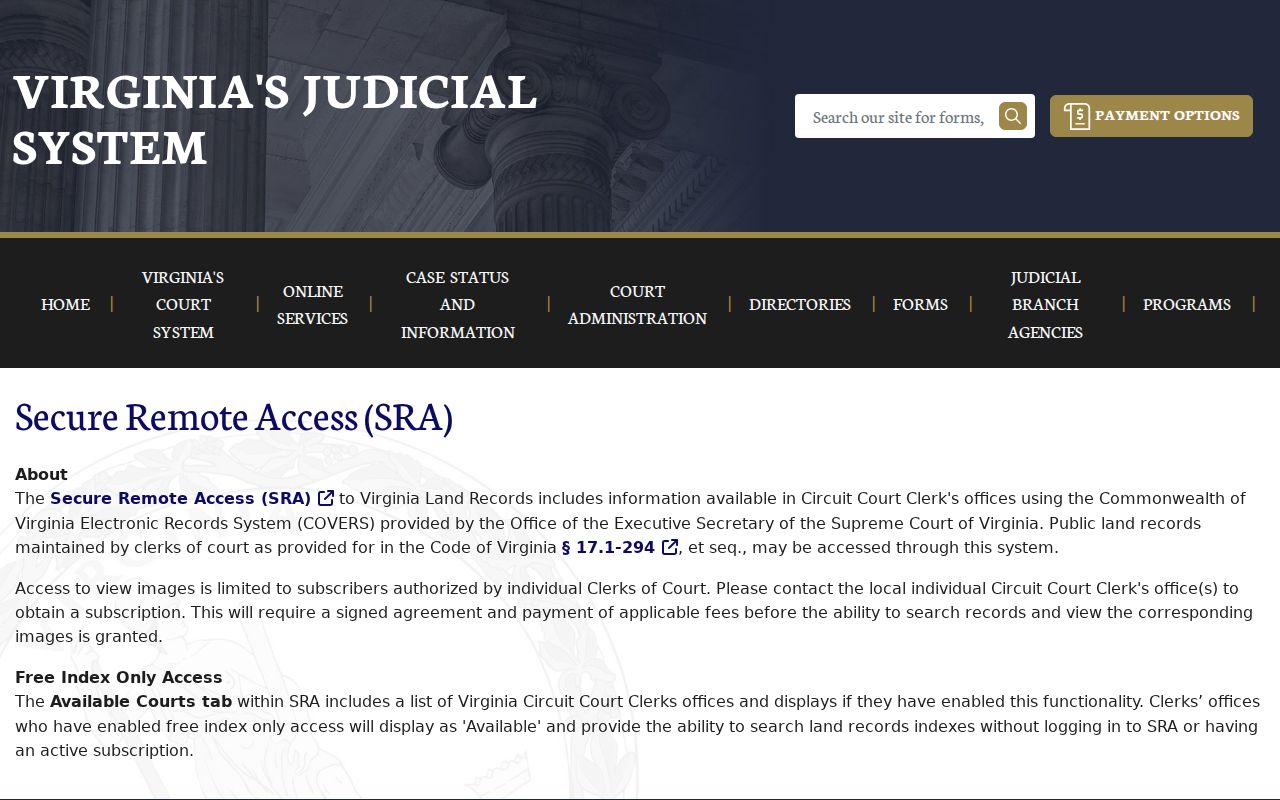
The Clerk's local land-record page does not name a first online year for Lee County. The Virginia SRA portal does not display a Lee County search form. Where SRA coverage exists, the index is free. Images need a subscription or a visit. No exact digital cutoff is stated.
Ask the Clerk whether Lee is available in SRA, what the index covers, and which older deed-book series sit on site. Don't assume the owners stop at a certain year. Keep the last online party name and instrument reference. That citation lets the search continue on paper. This route matters when a previous owner's deed appears in a book citation without an image. See the Virginia SRA access rules for the index and image distinction.
Call the local Clerk before assuming an image or old-book index is complete.
Lee County's 1792 and 1793 Record Roots
Lee County split from Russell County in 1792. Virginia's clerk institution dates to 1793. Those years frame the courthouse trail. No first Lee deed book or online cutover appears in the official material. So ask the Clerk for the first local index. Ask also for any catalog or microfilm note naming the tract's older volume.
The Library of Virginia is the archive route for pre-1853 state material and transferred records. It may hold a finding aid or a copy. That can be true even when the Lee Clerk's page lists no scan. Check the current deed citation first. Its legal description and prior grantor are better clues than a broad search for a common surname.
Lee County Estate Transfers
A clean owner-name chain can break at death. Land may pass by will, executor or administrator deed, survivorship wording, or a court-ordered sale. Search the Lee Circuit Clerk probate record for the decedent and the fiduciary. Then find the land instrument that carries the parcel forward. A death certificate explains timing. It is not proof of title in Lee County.
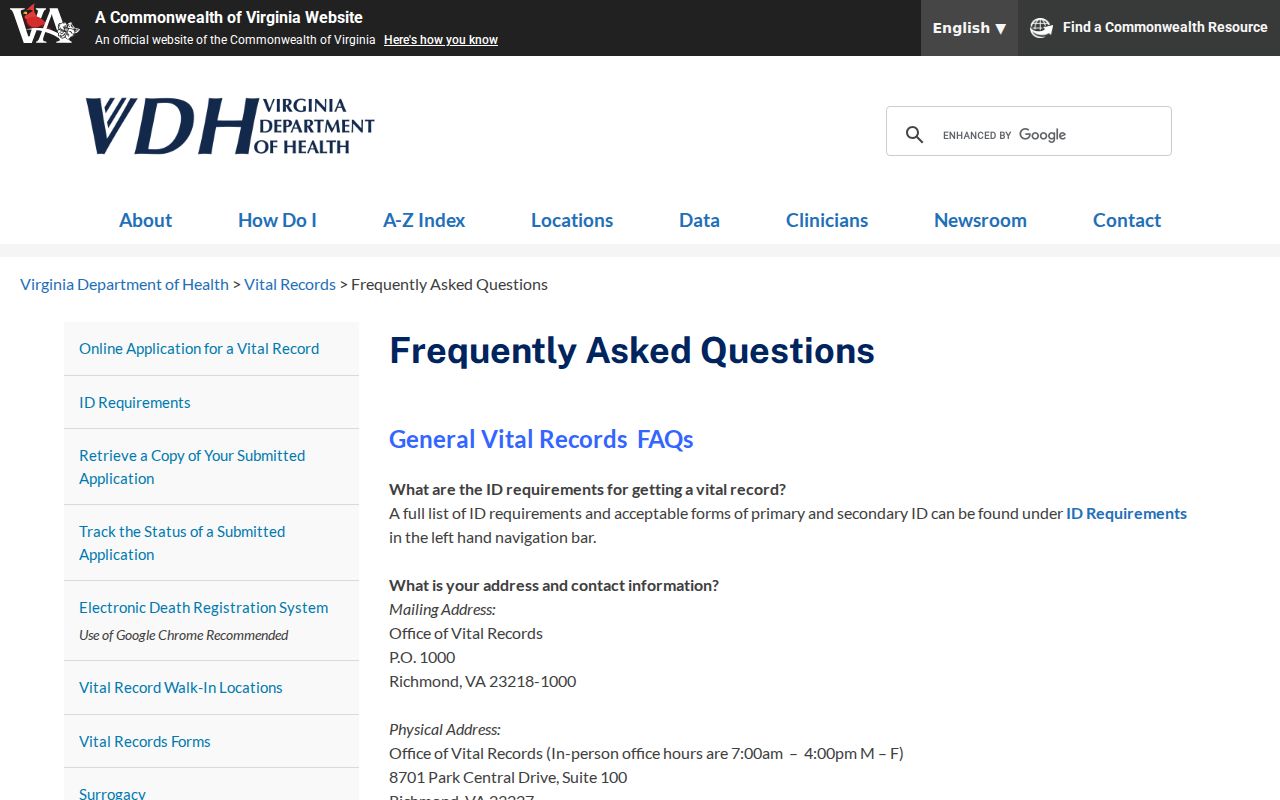
Virginia VDH holds births from 1853-1896 and June 1912-present, marriages from 1853-present, and divorces from 1918-present. Birth data open after 100 years. Death, marriage, and divorce data open after 25 years. Certified copies need an eligible requester with ID, and the search fee is $15. Use vital records for family context, and see the VDH vital records FAQ on custody and access.
Get dates from VDH; the deed proves title in Lee County.
Walk the Lee County Deed Chain
Reversing the grantor and grantee roles is the trick. The present deed's grantee is your starting point. That name becomes the grantee you hunt in the next older Lee County deed records search. The prior instrument's grantor supplies the name before that. A shared surname proves nothing; compare the legal description, plat reference, parcel clue, and dates to confirm each deed concerns the same tract.
- Record the current deed's grantee, recording date, deed reference, and full legal description.
- Read the grantor on that instrument and search the same name as a prior grantee.
- Repeat only when the parcel description and recorded references still match the tract.
- When SRA has no older index or image, ask the Clerk which deed book or archive copy to consult.
- Grantor and grantee
- The party conveying an interest and the party receiving it.
- Chain of title
- The ordered sequence of recorded transfers for the same land.
- Legal description
- The deed language that identifies the tract more precisely than a modern street address.
Lee County Boundary Clues in Old Deeds
Old Lee County deeds describe land in different ways. Some cite town limits, a route address, lot and block, or a metes-and-bounds tract. Jonesville's current charter dates to 1901, with amendments over time. Pennington Gap's 1985 charter points to a June 25, 1960 Lee Circuit Court boundary order in Order Book 22, page 243 and beyond. That order can explain why an old deed draws a town edge differently from today's plat or GIS map.
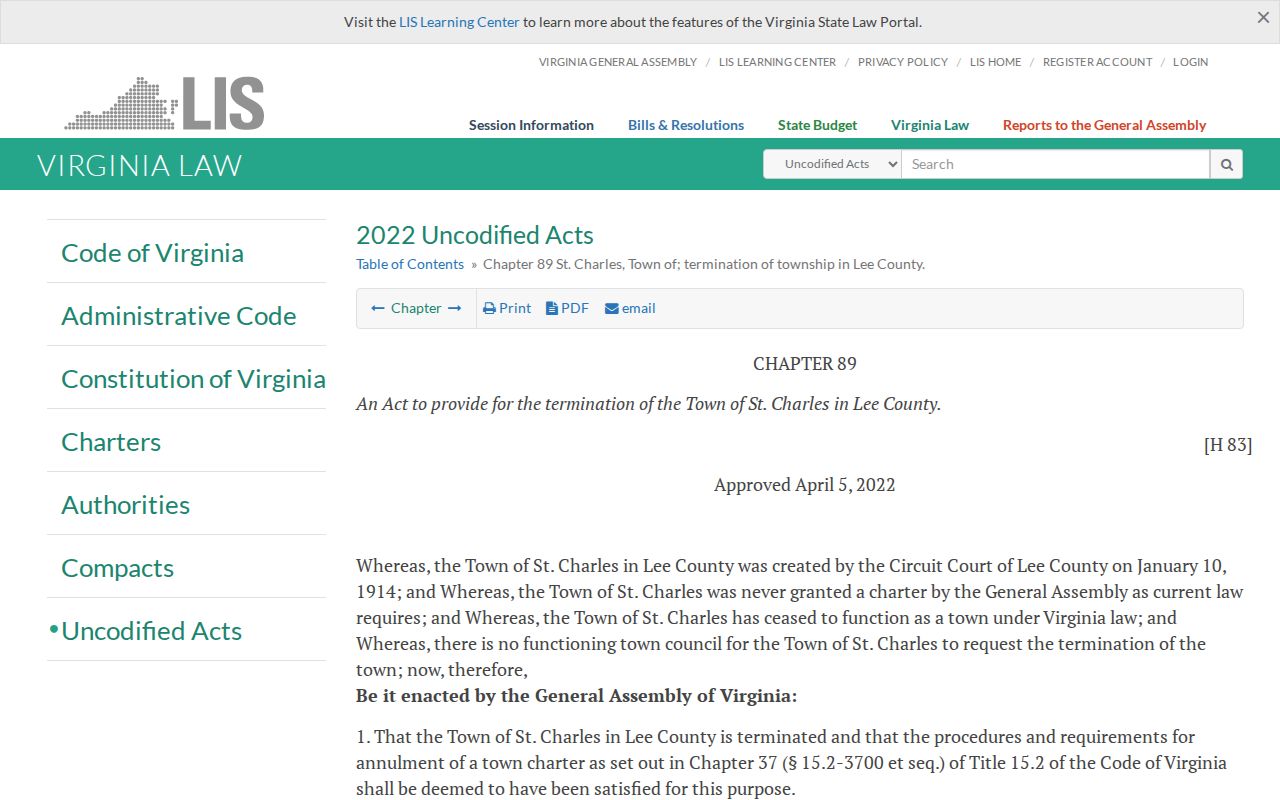
St. Charles adds another break in local labels. A 2022 act ended the former town. Its property and debt passed to Lee County without a new deed. The act identifies custody for municipal land. The Clerk's deed and legal description still identify the parcel, not the map. A map or ZIP label cannot fill a missing transfer. Use the St. Charles termination act when a record uses the former town name.
In old Lee County deeds, that act is only a jurisdiction clue.
Lee County Court and Probate Files
Virginia's statewide case portal lets you search civil and probate matters by party name. Its search fields and coverage vary. The local file stays with Lee Circuit Court. Probate matters require an appointment. A partition suit, quiet-title case, foreclosure, or estate sale can add a court order to the story of a former owner.
Bring the case number and ask the Clerk for the file or order. Compare the court document against the land-record index and the legal description of the parcel. A docket entry shows why a transfer happened. But it cannot replace the deed records or settle where a parcel's current boundaries lie.
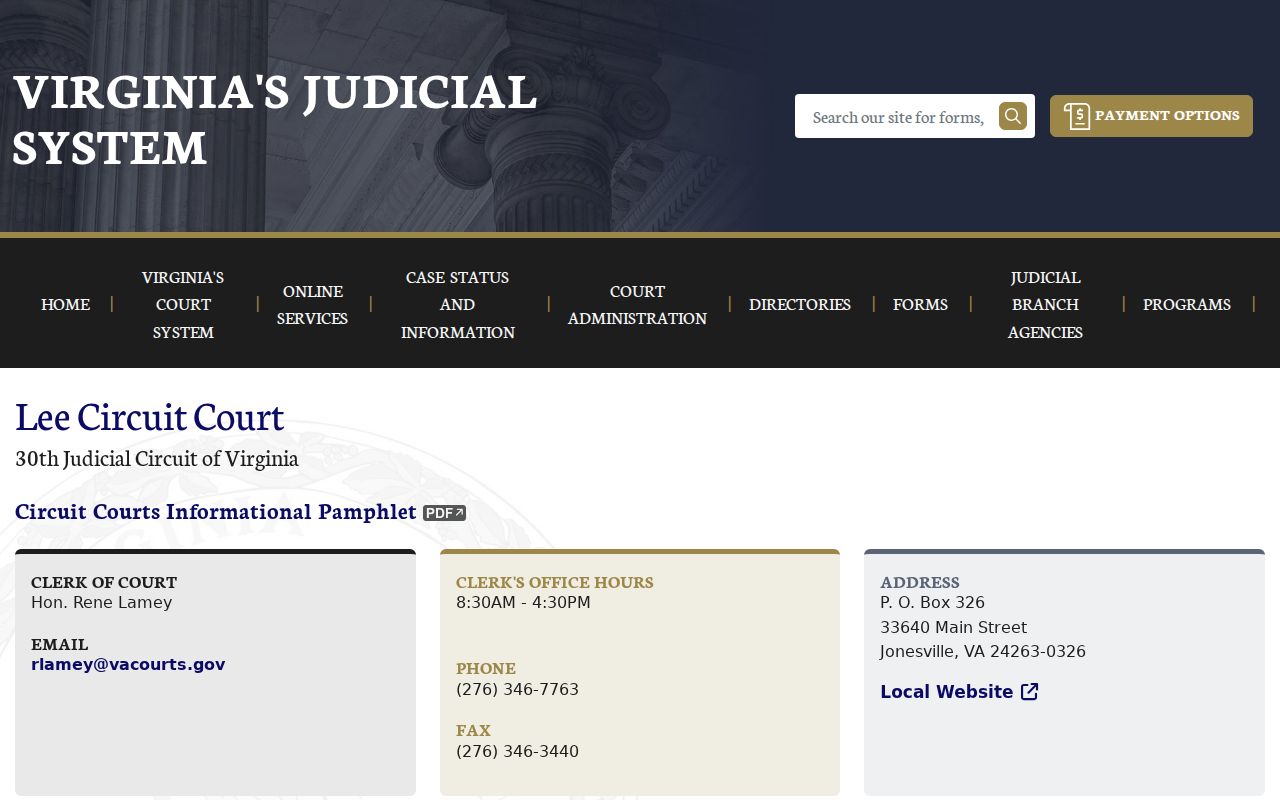
The Lee Circuit Court information page provides local contact details and probate notes.
Court orders explain Lee County deeds; Clerk land records prove them.
How Far Back Lee County Deeds Reach
The Lee Clerk traces the clerk's office to 1793. Lee County itself formed a year earlier, in 1792, from Russell County. No deed book marks an exact starting year for property records. No online portal reaches the county's full deed history either. Ask the Clerk which index or volume holds the deed you need, and do not assume the digital images go back that far. The Library of Virginia can also help locate state-held property records or county finding aids.
Lawful use. Use Lee County prior-owner records for title diligence, estate work, and house history. Do not use a chain search to track or harass a living person.